The innovative solutions of the ICTr-CE project have been showcased on both the international and domestic professional stages
The future of sustainable tourism lies not only in theoretical frameworks but also in measurable and implementable practical tools, which experts from Westpannon Regional and Economic Development Public Nonprofit Ltd. have successfully demonstrated at two major professional forums in recent months.
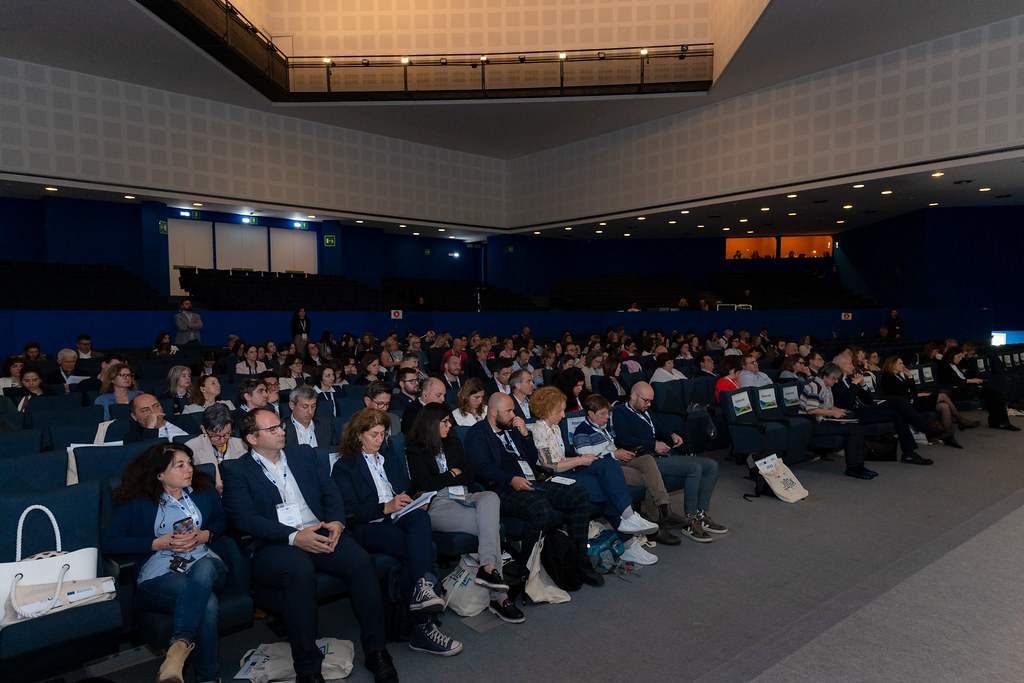
The dissemination of the ICTr-CE project’s results and methodology is a top priority in the post-project phase, as the true value of the developed innovations lies in their wide-ranging applicability and the exploitation of professional synergies. In line with this strategic goal, Project Manager Máté Deák represented Westpannon Regional and Economic Development Public Nonprofit Ltd. at the large-scale Interreg conference held in the Italian city of Grado, while Strategic Director Tibor Polgár delivered a professional presentation at the most recent meeting of the Hungarian Academy of Settlement Development. At these events, it became clear to both international and regional decision-makers that the greening of cycling tourism is now also based on data-driven foundations.
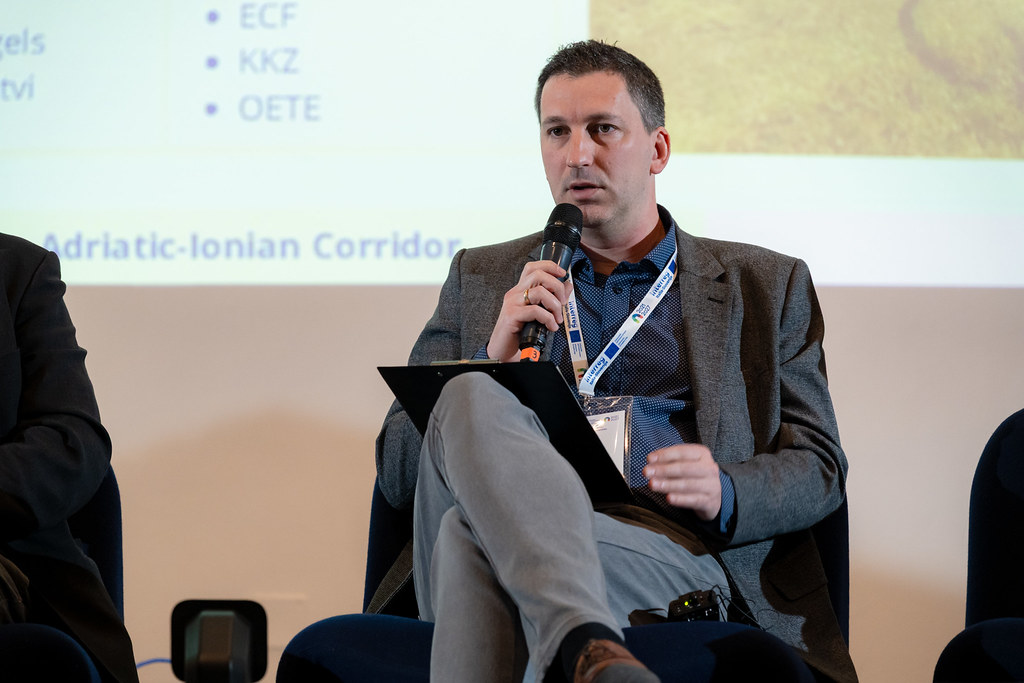
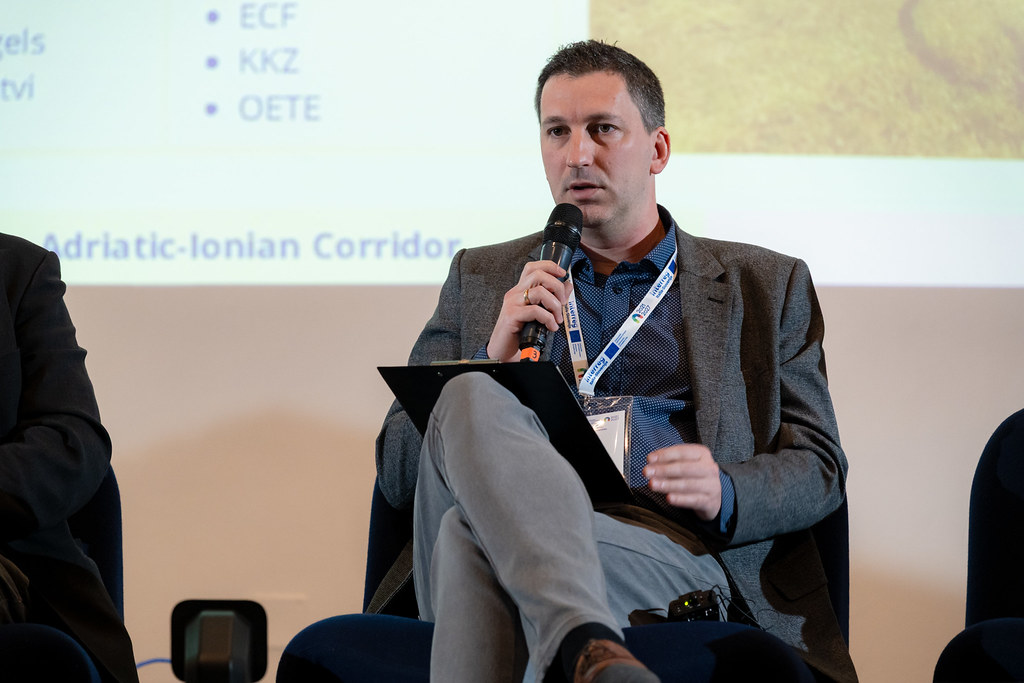
On the international stage, the event titled “Interreg Italy–Slovenia OSI: Synergies and Complementarities bridging Europe” (April 16–17, 2026) provided an excellent platform for presenting the project, where participants sought connections between various European cooperation programs. Máté Deák presented one of the most important milestones of the ICTr-CE project—the Impact Measurement System (IMS) tailored to cycling tourism products—during the thematic session titled “Cross-border sustainable tourism: the model of the Adriatic-Ionian Corridor.” He described a complex evaluation framework that integrates indicators for all three pillars of sustainability into the product development process. The presentation emphasized that the IMS’s greatest strength lies in its direct integrability: the system provides data on the quality of services and sustainability performance during the development of cycling (or any other) tourism products. This innovative solution was developed in a way that can be applied to other EuroVelo routes or bookable products.
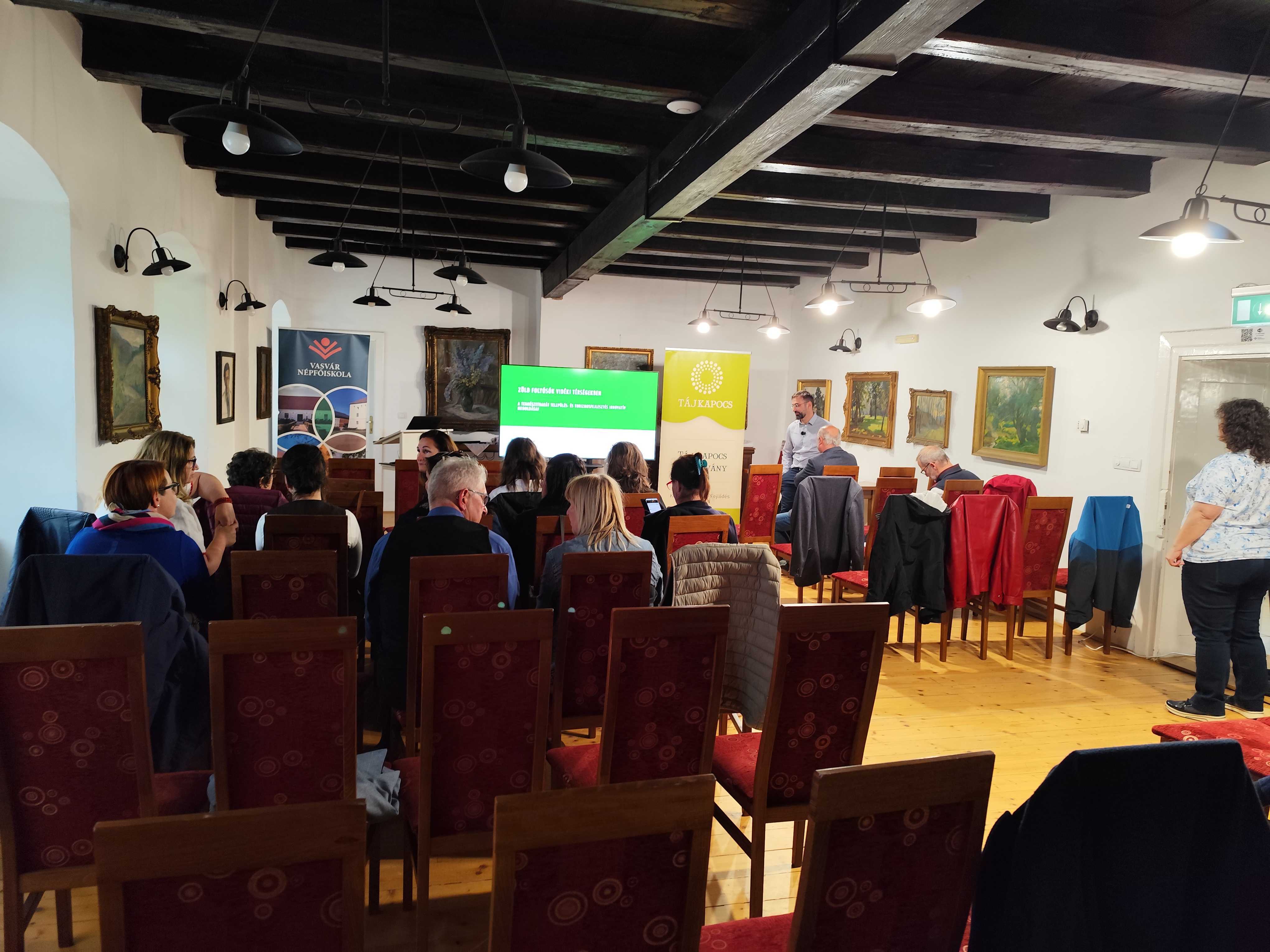
In parallel, at the domestic professional event, the Settlement Development Academy on May 15, 2026, Westpannon Nonprofit Ltd. outlined a novel approach to the revitalization of rural areas. In his presentation titled “Green Corridors in Rural Areas – Innovative Solutions for Nature-Friendly Community and Tourism Development,” Strategic Director Tibor Polgár highlighted that the EuroVelo 13 – Iron Curtain Route is not merely a cycling trail but can also serve as a catalyst for regional development. During the presentation, the professional focus was on the IMS, and specifically on Carmacal, which enables the tourism sector to precisely quantify the carbon footprint of complete travel packages. From a tourism planning perspective, it is noteworthy that the calculator provides decision support for putting together climate-friendly tour packages by analyzing the impacts of transportation, accommodation, meals, and activities separately.
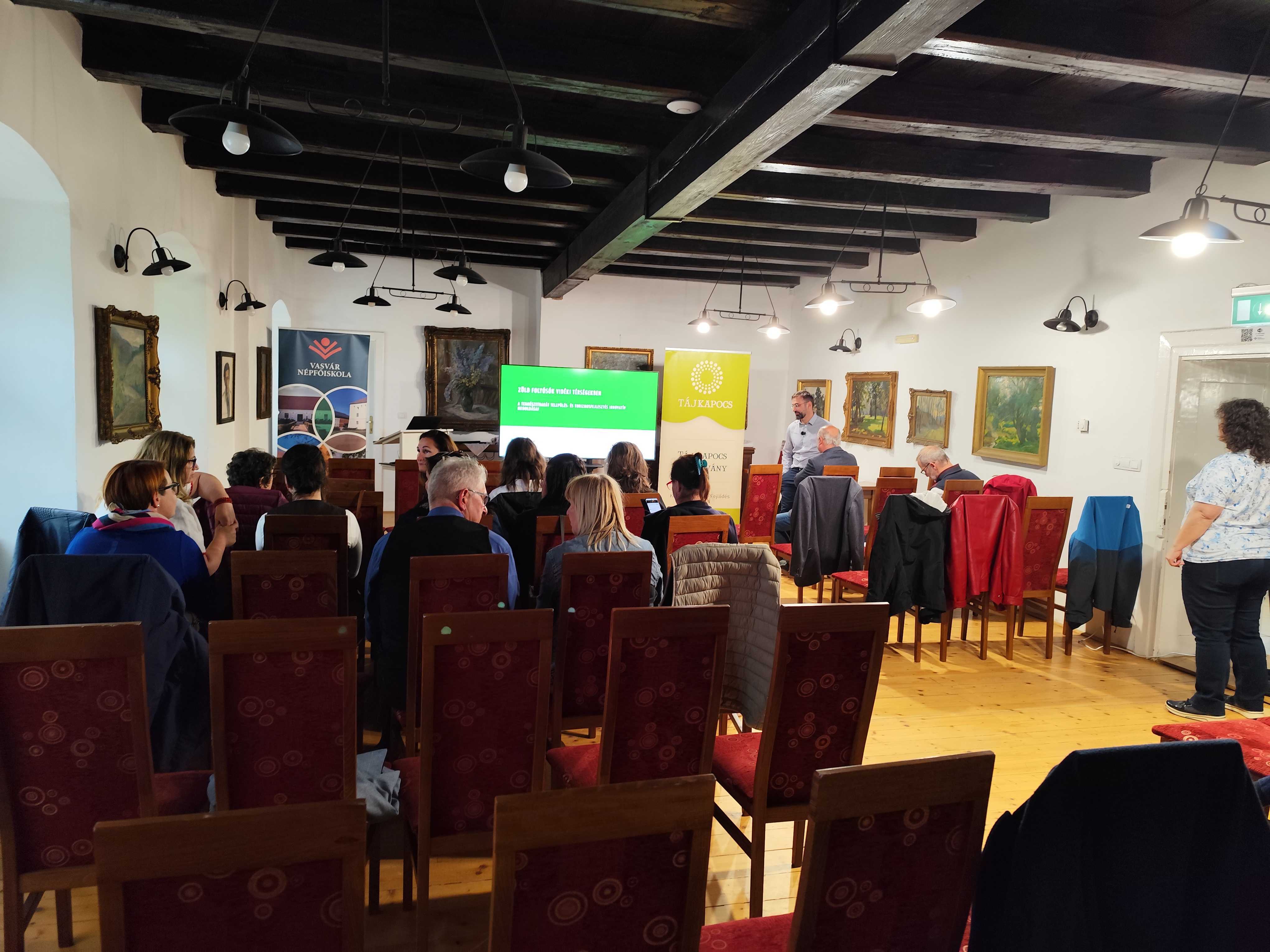
One of the most important conceptual elements of the presentation was the introduction of the Good Impact Program (GIP), which transforms measurable data into direct social and ecological benefits. The essence of the concept is that, through a contribution system planned for introduction in 2026, tourists will pay a kind of “positive footprint” fee based on the sustainability indicators of the tours, with the funds being channeled by umbrella organizations such as Westpannon Nonprofit Ltd. directly to local communities, habitat restoration projects, and cultural initiatives.
The clear message from the events was that the partners of the ICTr-CE project have not merely developed theoretical methodologies, but a validated and implementable ecosystem that is ready for adaptation at the international level. Through the seamless integration of the IMS and CARMACAL systems, stakeholders in the tourism sector can now accurately quantify sustainability and carbon footprints, which has become a fundamental and direct competitive advantage among conscious travelers. The forward-looking Good Impact Program, meanwhile, is testing a regenerative tourism model along the EuroVelo 13 – Iron Curtain cycling route.
fotógaléria
további hírek
Kérjük, fogadják sok szeretettel és érdeklődéssel az Interreg Central Europe program keretében megvalósul…
A Nyugat-Pannon Nonprofit Kft. 2024.09.11-én Gdanks városában mutatta be az ICTr-CE projekt első felében …
2024 nyarán, ICTr-CE című projektünk keretében több kerékpáros "felfedező" túrára került sor az EuroVelo …
2025.március 10-12. között került sor a “Green LaMiS” elnevezésű projektünk 2. partnertalálkozójára a ném…